Financial Roadshow Ground Transport Partner in Europe
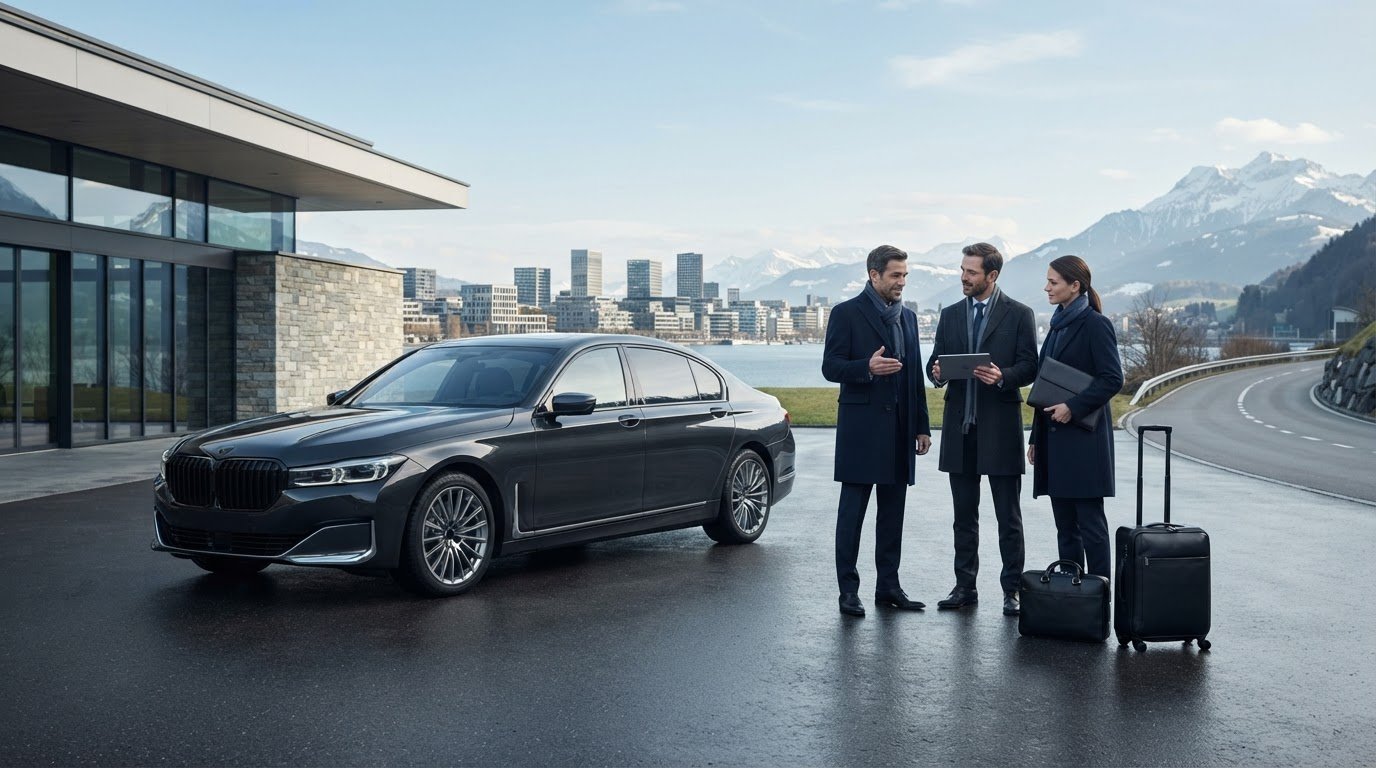
A financial roadshow ground transport partner coordinates airport pickups, travel between meetings and cities, and transfers linked to private aviation, keeping executive movements aligned with a demanding itinerary. Financial roadshows bring company leaders and investment bankers to meet potential investors, often through a series of one-to-one meetings. A typical IPO roadshow may cover 10 to 14 cities over 10 to 14 business days.
When meetings, flights and presentation schedules are tightly connected, transport is part of the day’s planning, not simply the journey between venues. You’ll learn how to match vehicles to passengers and luggage, coordinate travel across European financial centres, and plan airport and private aviation transfers with care. The guide also explains what to include in an itinerary and how Epic Limousines can support roadshow travel nationally across Switzerland.
Key Takeaways
- Plan ground transport around the roadshow itinerary, including investor meetings, airport pickups and travel between financial centres.
- Match the vehicle to the group and its luggage: executive sedans suit principals, while larger vehicles can accommodate teams and materials.
- Build meeting locations, transfer times and a contingency plan into one coordinated schedule to keep changes manageable.
- For airport and private aviation transfers, align pickup details with arrival plans and the next appointment.
- Choose a Swiss transport partner whose chauffeur services fit your passenger, luggage and route requirements, then arrange the appropriate vehicle for each journey.
What Is Financial Roadshow Transportation?
Financial roadshow transportation coordinates chauffeur-driven journeys around investor meetings, corporate events and changing itineraries. For Swiss airport transfers, plan for the requirements that apply to the canton, transport arrangement and pickup location, as local operating and access rules can differ.
Global Roadshow Transport
Global roadshow transport connects executives, investment bankers, and meeting locations across several financial centres. A typical IPO roadshow may cover 10 to 14 cities over 10 to 14 business days, while a European roadshow may run over 72 to 96 hours. In either case, the travel plan should connect each arrival, meeting, and onward departure.
Start with a shared itinerary that records each appointment’s address and time, passenger names, and transfer requirements. For example, a team arriving before investor meetings needs a pickup plan that accounts for luggage and the next venue. Clear coordination lets the chauffeur follow the day’s sequence while executives focus on preparing.
Fleet and Contingency Planning
Plan the fleet around passenger numbers, luggage and the purpose of each journey. A principal travelling alone may need a different arrangement from an advisory team carrying presentation materials. List passengers and bags for every leg, then choose vehicles that suit the group’s comfort and working needs.
Build contingencies into the logistics before travel begins. An investor presentation may run 20 minutes over for questions, so the next pickup and meeting transfer should allow the coordinator to respond. Record chauffeur details, vehicle assignments, and an escalation contact in the itinerary. This gives the team a clear process when a flight delay, schedule change, or vehicle issue affects the plan.
Discretion and Confidentiality
Roadshow travel can bring executives and sensitive financial discussions into close proximity with the chauffeur. A professional briefing should cover passenger names, pickup instructions, schedule changes and privacy expectations. Share only the itinerary details needed for each transfer, and avoid discussing business conversations in the vehicle.
Discretion also depends on consistent conduct at venues. Chauffeurs should know where to wait, how to identify passengers discreetly and whom to contact if an executive is delayed. Different executives may have separate meeting schedules, but all benefit from quiet, attentive service between appointments.
Partner Selection and Swiss Requirements
Assess a transport partner’s approach to itinerary coordination, schedule updates and disruptions. Ask for an operating plan that covers airport pickups, meeting transfers, chauffeur assignments and escalation steps. For a multi-city schedule, one coordination lead can maintain a consistent manifest and keep each movement aligned with the latest itinerary.
For Swiss journeys, establish which local passenger-transport and airport-access requirements apply, since the canton and pickup location matter. Include them in the operating plan rather than assuming one airport’s process applies elsewhere. Before the roadshow, brief executives, presenters and the transport team on responsibilities, contact procedures and what to do if a flight or meeting runs late.
Choosing vehicles for passenger and luggage needs
Choose each vehicle according to the passengers, luggage and purpose of the journey. A principal travelling alone has different needs from an advisory team carrying presentation materials.
Passenger and Luggage Fit
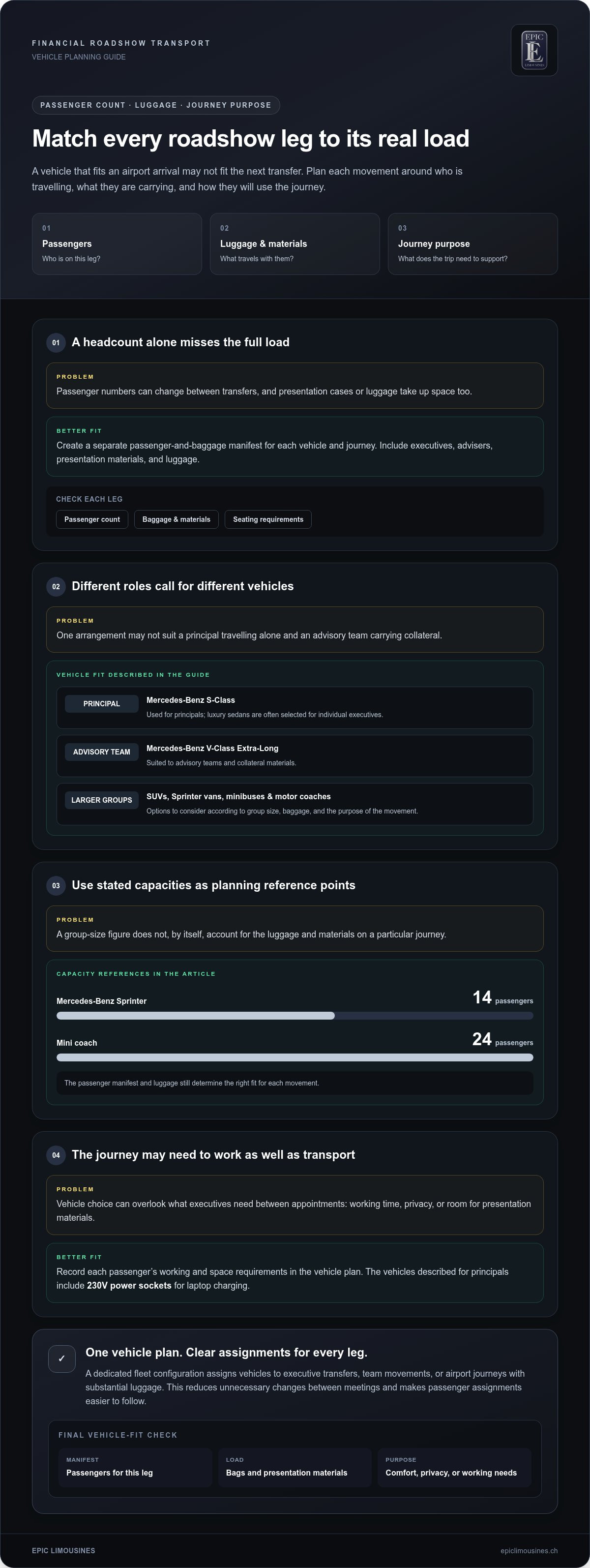
Start with a passenger and baggage manifest for every transfer. Include executives, advisers, presentation cases and any luggage travelling with them. Match the vehicle to the full load, not just the passenger count. A vehicle that suits an airport arrival may not suit a later transfer with additional team members or materials.
Check how each leg affects the load. For example, an executive joining colleagues after an airport pickup may change the seating requirements. Keep a separate manifest for each vehicle and journey so dispatch can allocate space appropriately.
Executive and Group Vehicles
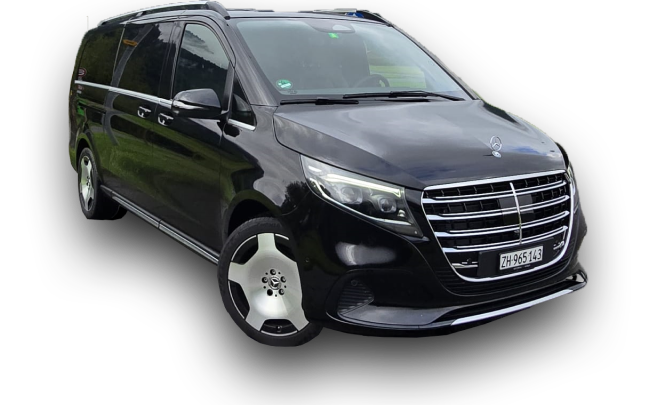
Luxury sedans are often selected for principals, while vans, minibuses and motor coaches can accommodate larger groups. For the roadshow fleet described here, Mercedes-Benz S-Class vehicles are used for principals, while Mercedes-Benz V-Class Extra-Long vehicles suit advisory teams and collateral materials. Match the vehicle to each passenger’s role and the materials travelling with them.
Group size helps determine the configuration. Mercedes-Benz Sprinter vehicles are listed for groups of 14 passengers, while mini coaches can accommodate 24. These capacities provide useful planning reference points; the passenger manifest and luggage still determine the right fit for each movement.
Roadshow vehicle options may include luxury sedans, SUVs, Sprinter vans, minibuses and motor coaches. A dedicated fleet configuration assigns vehicles to specific duties, such as executive transfers, team movements or airport journeys with substantial luggage. This reduces unnecessary changes between meetings and makes passenger assignments easier to follow.
Onboard amenities should support the journey’s purpose, not simply create a luxurious impression. The described vehicles for principals include 230V power sockets for laptop charging. If executives need to prepare between appointments, note that requirement in the vehicle plan. Confirm which passengers need working time, privacy, or space for presentation materials.
Before finalising the schedule, compare each itinerary leg against three details: passenger count, baggage, and journey purpose. Reassess the allocation whenever a passenger joins or leaves the group. A roadshow transport plan can help align vehicle choices with executive and group movements.
Financial roadshows involve company executives and investment bankers travelling to meet potential investors in different cities. An investment roadshow is a series of meetings where executives present their company’s business strategy, financial health and growth opportunities to potential investors, typically before an IPO or funding round. Align vehicle assignments with the wider itinerary.
For each movement, confirm vehicle and chauffeur details, and include contingency plans. Roadshow participants should have confirmed flight and accommodation arrangements, detailed itineraries, contact information and emergency protocols. Brief executives, presenters and transport teams on their roles so everyone understands how the transport plan fits the schedule.
Multi-city roadshow logistics across European financial centres
Manage multi-city schedules with one coordinator, a shared itinerary and agreed communication procedures. When arranging Swiss roadshow transport, provide the travel dates, meeting addresses, passenger details, luggage requirements, and airport or private aviation arrangements.
Start by connecting every arrival, investor meeting, and onward journey in a single schedule. Include the presentation location, pickup point, passenger group, and responsible contact for each movement. In Zurich, for example, listing appointments around Bahnhofstrasse and Paradeplatz alongside their pickup details helps make the day’s sequence clear. Apply the same format to each Swiss centre on the itinerary.
Assign one senior coordinator to maintain vehicle manifests and circulate itinerary updates. Establish who can approve a change, which channel carries it, and how chauffeurs receive revised instructions. If an investor meeting runs late, the coordinator can share the updated departure time and destination with the people affected. A shared process helps prevent passengers and drivers from following different versions.
Before the first meeting, compare the itinerary with flight and accommodation arrangements, passenger names, chauffeur contacts and vehicle assignments. Confirm that pickup locations and destinations match the current schedule. Record baggage arrangements and who is carrying presentation materials, backup IT equipment and batteries. This review gives the corporate team a chance to resolve missing details before travel begins.
Plan ground transport and baggage around each handover. Note which passengers travel together, where luggage goes, and whether materials accompany an executive or a separate team. If passengers change vehicles between appointments, record who is responsible for transferring the presentation case. Keeping these details with the relevant itinerary leg makes responsibilities clear to the roadshow team.
Manage last-minute changes through clear communication and a current schedule. Roadshow teams can use collaboration tools to share updates and confirm that affected people have received them. If a meeting moves to a new address, update the destination, pickup instructions and following journey together. This avoids a partial change that leaves the chauffeur with an outdated drop-off point.
For booking, prepare one itinerary covering Swiss cities, meeting dates and locations, passenger movements, luggage and airport transfers. Share the latest version with the transport coordinator, then agree how amendments will be communicated during the roadshow. Brief executives, presenters and transport staff on their roles before departure. This preparation supports coordinated movements from the first pickup to the final appointment.
Airport and private aviation transfers
Airport transfers connect an arriving roadshow team with its first meeting, hotel, or onward flight. In Switzerland, Zurich, Geneva, and Basel are key airport names to include in the itinerary. Record the arrival airport, flight details, passenger names, luggage, pickup point, and destination together. This gives the chauffeur service a practical brief and helps the coordinator align the transfer with presentations.
Private aviation transfers need the same precise coordination, with the arrival location and passenger handover clearly identified. Include the terminal or agreed pickup point, passenger contact, luggage requirements and next destination in the schedule. Assign one person to communicate changes between the flight team, roadshow coordinator and chauffeur, so everyone works from the same arrival details.
Before travel, organise arrival details with a simple checklist:
- Record the airport or private aviation arrival point and the scheduled landing details.
- Match each passenger with their luggage and onward destination.
- Share the pickup instructions and a direct contact for schedule updates.
- Allow a practical transfer window before the first investor meeting.
This process gives the team a clear reference if an arrival time changes.
A presentation schedule may shift after landing, particularly when executives need time to collect materials or prepare. Agree on communication responsibilities in advance: the roadshow coordinator receives schedule updates, then informs the chauffeur and affected passengers. If a meeting moves, update the destination and pickup time in the same itinerary. Avoid relying on verbal messages passed through several people.
Transfer timing depends on the airport, destination, traffic and meeting start time. Plan for the actual route rather than applying the same time allowance to every pickup. An airport-to-city-centre journey differs from a transfer to another Swiss financial centre. Allow time for baggage collection and the transition from arrival to the vehicle.
For every airport or private aviation movement, keep the booking record aligned with the latest roadshow schedule. Include the vehicle assignment, passenger count, baggage needs, pickup instructions and next appointment. A named coordinator can compare these details before departure and communicate changes promptly. This supports a composed transition from arrival to presentation and keeps each transfer connected to the wider itinerary.
How to choose a ground transport partner for investor roadshows in Switzerland?
Choose a partner by how well its operating approach fits your roadshow, not by vehicle presentation alone. For a Zurich itinerary, assess coordination, chauffeur communication, vehicle planning, and the process for handling schedule changes. A suitable financial roadshow ground transport partner should make responsibilities clear before the first pickup.
Begin with the schedule. Share meeting addresses, arrival details, passenger groups, luggage needs and the sequence of transfers. Ask for an operating plan that shows who coordinates movements and how updates reach chauffeurs. A change of meeting location should trigger one clear itinerary update, not separate messages to each passenger.
Assess the partner’s planning process against practical needs:
- Confirm that each journey has a vehicle assignment and passenger manifest.
- Identify one coordination contact for itinerary changes and transfer questions.
- Review the process for delays, missed connections, and replacement arrangements.
- Set expectations for discreet pickups at meetings, hotels, and airports.
These details show whether the transport plan is built around your team’s movements. They also help prevent uncertainty when the itinerary changes during a full meeting day. In Switzerland, include the specific airport, city, and pickup location in the operating brief. Airport access and local movement arrangements can depend on the location, so avoid treating Zurich, Geneva, and Basel as identical.
Review communication and contingency planning together. A coordinator should know who can authorise changes, which channel carries updates and how the revised schedule reaches each chauffeur. If an investor meeting overruns, the next transfer may need a new departure time or destination. Define the update process before travel and include a contact sequence for disruptions.
Vehicle suitability matters too. Compare the passenger manifest and luggage needs with the proposed vehicle assignments for each leg. An individual executive transfer may require a different configuration from a team movement carrying presentation materials. For travel requiring greater discretion, clarify pickup procedures and passenger identification without circulating unnecessary personal details.
Finally, review the itinerary, contact list, vehicle manifest, and contingency process together before confirming the booking. That final review lets the corporate team identify gaps while there is still time to resolve them. If your upcoming schedule includes investor meetings in Zurich, discuss your Zurich roadshow transport as part of the planning process.
Epic Limousines: Mercedes-Benz Sprinter Transfer
Epic Limousines provides Mercedes-Benz Sprinter transfers for roadshow teams travelling together between airports, meetings and corporate venues. A Sprinter is suitable when a group needs coordinated chauffeur-driven transport rather than separate executive journeys. For an individual principal, a Mercedes-Benz S-Class transfer may be a better fit.
When arranging roadshow transport, share your itinerary, passenger details, luggage requirements and pickup locations. This helps match the vehicle to each planned movement, including airport arrivals and transfers between meetings. Epic Limousines provides chauffeur services for Swiss roadshows with a focus on comfort, security, confidentiality and privacy.
For your upcoming roadshow, contact Epic Limousines or visit epiclimousines.ch.
Set Your Roadshow in Motion
Turn the itinerary into a transport brief that reflects the experience you want executives and guests to have. Decide which journeys call for a private executive transfer, which need coordinated group travel, and where comfort and discretion matter most. This clarity helps a financial roadshow ground transport partner shape a plan around your priorities instead of treating every movement alike.
Epic Limousines provides Mercedes-Benz S-Class transfers for individual executive journeys and Mercedes-Benz Sprinter transfers for group movements. If your Swiss programme also includes travel to a ski destination, Ski Resort Transfers can support that part of the itinerary. Begin with the passenger group and purpose of each transfer, as each option suits a different journey.
When you’re ready to discuss your roadshow travel arrangements, contact Epic Limousines. A considered plan can give your team greater ease between meetings and a composed start to every important arrival.
Frequently Asked Questions
What services does a ground transport partner provide for a financial roadshow?
A ground transport partner arranges chauffeur-driven journeys that connect roadshow participants with scheduled destinations. This can include airport arrivals, transfers between investor meetings and journeys to corporate events. An executive arriving separately from the advisory team, for example, may need an individual pickup coordinated with the group’s onward departure. A useful transport brief distinguishes individual movements from shared journeys, helping organisers match the service to the day’s agenda.
Which Swiss cities and financial centers are commonly included in roadshow itineraries?
Zurich is a key Swiss financial centre for roadshows, while Geneva and Basel may feature in itineraries connected to airport arrivals or meetings. The right route depends on where investors and corporate hosts are located, not simply on a standard city list. A schedule might begin with an arrival in one centre and continue to meetings elsewhere. Keep each appointment address and travel leg together in the itinerary.
What vehicle types are available for financial roadshow ground transport?
Roadshow transport options can include luxury sedans, SUVs, Sprinter vans, minibuses, and motor coaches. Choose based on passenger count, luggage, and whether the journey serves an individual executive or a larger team. As a planning reference, Mercedes-Benz Sprinter vehicles are listed for groups of 14 passengers, and mini coaches can accommodate 24 passengers. Check the full passenger and baggage manifest before assigning a vehicle to each leg.
What security, confidentiality, and duty-of-care standards should roadshow transport providers meet?
Choose clear procedures that protect passenger privacy and define how journey details are shared. The itinerary should give chauffeurs the information needed for pickups without circulating unnecessary meeting or business details. Agree who may request a schedule change, how passengers are identified at pickup, and whom the chauffeur contacts if a passenger cannot be located. For sensitive executive travel, clarify responsibilities and escalation steps before the first transfer.
What risks can disrupt financial roadshow ground transport, and how are they mitigated?
Flight delays, traffic, meeting overruns, misplaced presentation materials, and incorrect pickup details can disrupt a roadshow schedule. Reduce the impact by assigning a coordinator to issue itinerary updates, keeping passenger and vehicle manifests current, and identifying an escalation contact. For example, a 20-minute question-and-answer extension may affect the next transfer. A pre-agreed process lets the team communicate the revised departure time and coordinate the following movement.