Luxury Transport for a Swiss Watch Tour: Price and Transfers
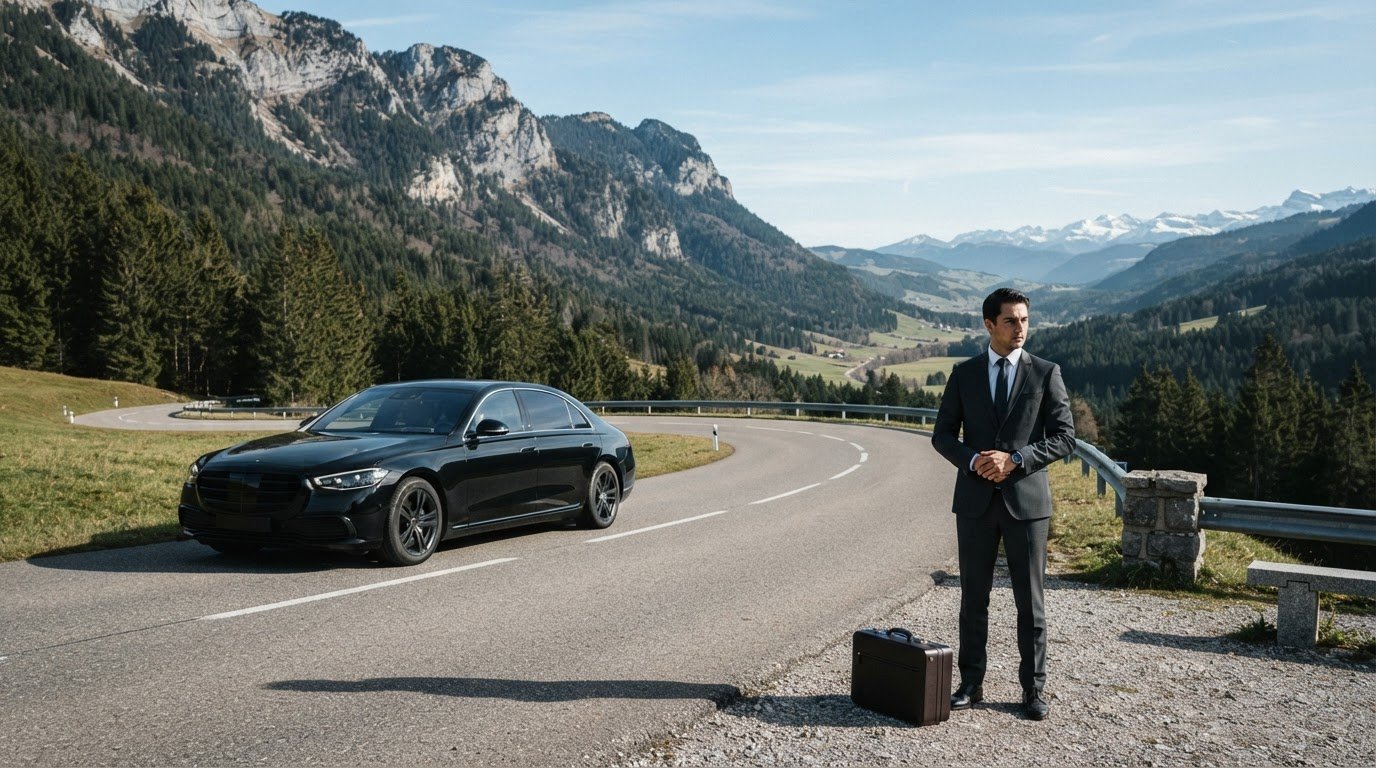
A private car isn’t essential for every Swiss watch tour, but it can make journeys between watchmaking sites more direct and comfortable. Luxury transport for a Swiss watch tour is especially useful when your itinerary includes the Vallée de Joux, approximately an hour’s drive from Geneva and Lausanne. Trains, buses and boats remain practical options for other parts of Switzerland.
Choosing between a chauffeur-driven car and public transport depends on your route, luggage, connections and planned stops. A private car can simplify transfers between destinations, while mountain excursions may call for trains or other local transport. Often, the best plan combines several options rather than relying on one mode for the entire trip.
This guide explains when private transfers make sense, how to allow time for travel and visits, and what shapes the overall tour cost. A chauffeur itinerary’s price depends on the route, vehicle, duration and planned stops, and is provided after a quote request. You’ll also find practical guidance for arranging a smoother journey between Switzerland’s watchmaking destinations.
Key Takeaways
- A private car can simplify transfers between watchmaking destinations, while public transport and mountain connections may suit other parts of your itinerary.
- Allow for the journey as well as each visit: the Vallée de Joux is approximately an hour’s drive from Geneva and Lausanne.
- Build your route around the watchmaking places you want to see, then account for luggage, connections and any mountain travel.
- Tour costs depend on the route, vehicle, duration and planned stops; these choices shape the overall budget.
- Compare a Mercedes-Benz S-Class Transfer with a Mercedes-Benz Sprinter Transfer according to your group’s needs and the journey you have planned.
Allowing time for transfers and activities
A well-paced itinerary through Switzerland balances watchmaking visits with the time needed to reach each region. Plan the route first, then fit activities around transfers, connections and the landscapes you want to see.
Luxury transport options
A private car offers direct travel between destinations, while Switzerland’s public transport network includes intercity trains, buses and boats on lakes. Mountain trains can also be part of an alpine excursion. Choose the mode that suits each leg rather than assuming one option works best for the entire journey.
For example, combine a private transfer to the Vallée de Joux with trains or boats elsewhere. This approach helps you plan for luggage and connection changes while preserving time for visits and local culture.
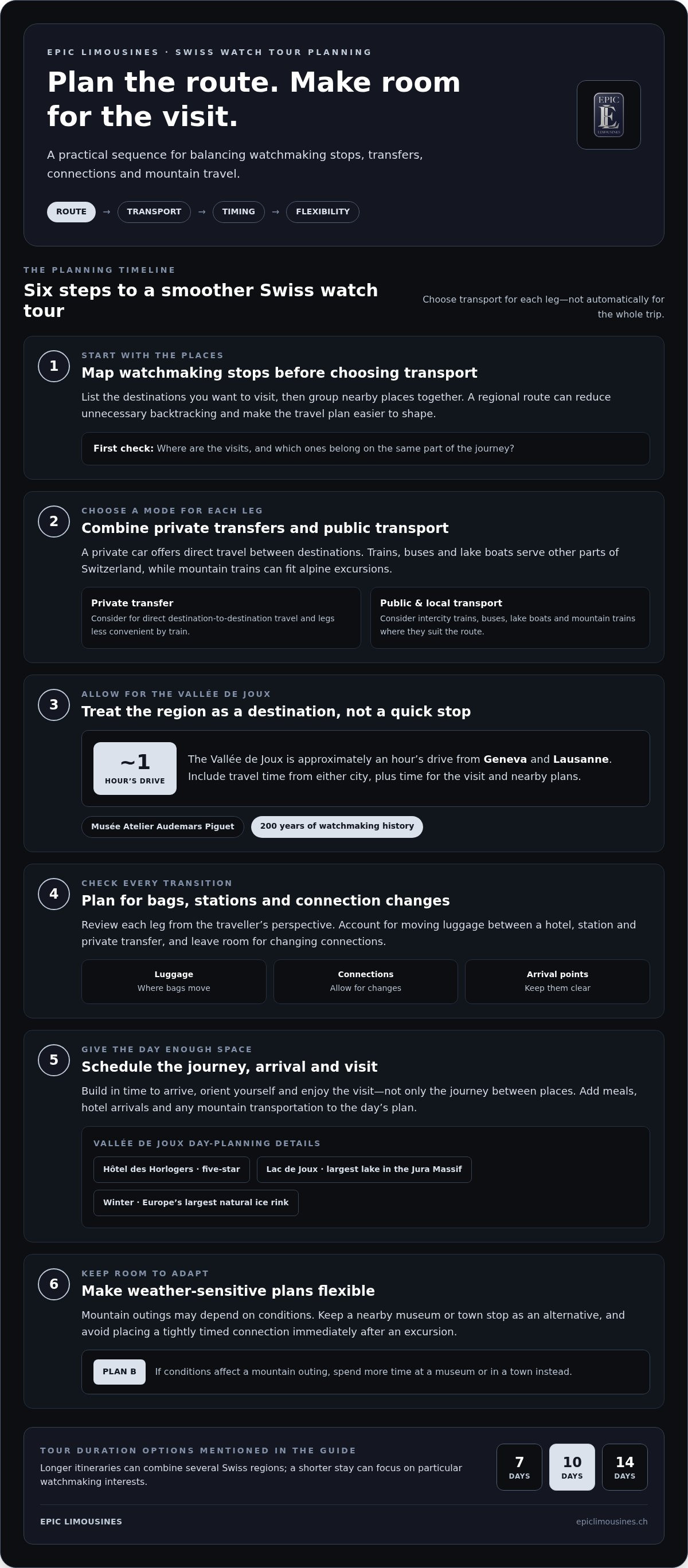
Map the watchmaking stops before choosing transport. The Vallée de Joux is approximately an hour’s drive from Geneva and Lausanne, so a visit there needs dedicated travel time from either city. The Musée Atelier Audemars Piguet presents 200 years of watchmaking history, making the destination more than a quick stop between appointments.
- Group nearby visits: Place destinations in the same region together to avoid unnecessary backtracking.
- Plan luggage changes: Account for moving bags between a hotel, station and private transfer.
- Review mountain legs: Identify where mountain trains or other local transport form part of the itinerary.
Transfer and activity timing
Allow time for the journey, arrival and visit itself. For the Vallée de Joux, include the roughly hour-long drive from Geneva or Lausanne, then set aside time for the museum and nearby plans. Keep the schedule flexible enough to accommodate changing connections or a longer stop.
Consider the Hôtel des Horlogers and Lac de Joux when shaping the day. The hotel is five-star, and the lake is the largest in the Jura Massif. In winter, Lac de Joux becomes Europe’s largest natural ice rink, so seasonal activities can affect how long you want to spend in the region.
Use a simple planning sequence. First, list each watchmaking visit and its location. Next, assign a transfer mode to every leg, accounting for luggage and train connections. Then add meals, hotel arrivals and any mountain transportation. This makes days with too many transitions easier to spot before bookings make changes difficult.
Weather-sensitive excursions need particular attention. A mountain outing may depend on conditions, while museum visits and town stops can anchor the day. Keep an alternative nearby activity in mind, and avoid placing a tightly timed connection immediately after an excursion. This can make a journey through alpine landscapes feel composed rather than rushed.
For longer luxury travel, around 7 to 14 days can allow a tour to combine several Swiss regions without an excessively rushed itinerary. Use that time to balance focused watchmaking visits with scenic travel, rest and cultural stops. A considered schedule leaves space for an unforgettable experience without treating every transfer as an activity in itself.
Plan logistics with changing conditions in mind. A luxury Switzerland tour should account for luggage, train connections, private transfers and mountain transportation. Leave enough time between a transfer and a booked visit to manage changes without compressing the experience. Keep essential arrival and departure points clear, and avoid scheduling a time-sensitive excursion immediately after a long journey. A flexible order for stops can also help: if conditions affect a mountain outing, spend longer at a museum or in a town instead. This keeps the itinerary workable without treating every activity as fixed.
Before confirming the route, consider each transition from the traveller’s perspective. Think about where bags need to be collected or handed over, whether a connection allows room for delays, and how a private transfer fits around other legs. Include mountain transportation in this review rather than treating it as a minor detail to add later. Planning travel and activities together leaves time for arrival, orientation and a relaxed visit, not just the journey between places.
Tour price
A Swiss watch tour’s overall budget depends on the itinerary, transport choices and inclusions. Compare the complete journey, not just one transfer or museum visit. A private itinerary through Geneva and the Jura involves different travel arrangements from a city-based visit. List destinations first, then account separately for transport, accommodation and activities. The cost of luxury transport for a Swiss watch tour depends on how the travel arrangements fit together.
Tour length is one clear planning factor. Swiss luxury itineraries are offered in 7-day, 10-day and 14-day formats, while a suggested watch and sightseeing journey is planned for 10 days and can be customized. A longer route may combine more regions, hotels and attractions. A shorter stay can focus on particular watchmaking interests and reduce the number of travel legs.
Transport arrangements depend on the route, vehicle, duration and planned stops. A journey between Geneva and the Vallée de Joux requires a different plan from visits within central Geneva. Consider whether you need a private car for every leg or only for destinations less convenient to reach by train. That decision can shape both the schedule and overall budget. For luxury transport on Swiss watch tours, assess each leg individually rather than assuming you need a private vehicle throughout.
- Set the route: Write down each destination, such as Geneva, the Vallée de Joux or Lucerne.
- Choose the pace: Compare a focused visit with a 7-day, 10-day or 14-day itinerary.
- Separate cost categories: Record transport, hotels, museum visits, meals and other planned activities.
- Review language needs: German and Chinese language tours can involve an extra cost.
In Switzerland, keep your working budget in CHF and note what each quoted amount covers. Distinguish the tour itinerary from its transport arrangements, since they may be priced separately. Then compare inclusions consistently: a panoramic excursion, a historic museum or an extra hotel night can change the overall plan. The famous attraction matters, but so do the transfers connecting it to the rest of the journey.
Your preferences help determine where premium spending brings practical value. If comfort between regions matters most, prioritize direct transfers on longer legs. If museum visits are central, allocate more time to places such as Geneva’s Patek Philippe Museum. The described Swiss watch tour includes a two-course lunch, while German and Chinese language tours can carry an extra cost. Review each line item against your interests before choosing a format.
Build the estimate in sequence: confirm destinations, choose trip length, map transport, then add stays and activities. For example, a 10-day plan can combine Zurich, Lucerne, Geneva and the Swiss Jura, but each added region brings another travel leg. Seasonal factory closures can also affect the route, especially in the Neuchâtel and Jura region, where some factories close for three to four weeks in July and August.
The price depends on the itinerary and is provided after a quote request, with route, vehicle, duration and planned stops among the deciding factors. If Geneva is part of your route, Geneva transfer planning can be considered alongside the tour schedule. This keeps travel arrangements connected to the destination list, rather than treating each transfer as an isolated purchase.
What luxury transport options are available for Swiss watch tours?
Swiss watch tours can combine private car travel with trains, buses, boats and mountain transport. The right mix depends on the places you want to visit, your luggage and how much flexibility you value between stops. For a journey linking Geneva with a watchmaking site in the Jura, a private transfer can simplify the road leg. Elsewhere, public transport may connect naturally with city or lakeside visits.
A chauffeur-driven car suits direct journeys between destinations and planned stops. It keeps the route together when a day includes several addresses or luggage changes. Swiss watch tours are offered for groups of two to four people, so consider passenger numbers and belongings when selecting a vehicle. The vehicle used for a tour may also have two sun roofs, offering an open-sky view during the drive.
Rail travel offers a different rhythm. Switzerland’s public transport network includes intercity trains that can serve as the main link between cities. Buses and boats on lakes provide additional ways to reach destinations. These options can work well when an itinerary follows established transport links, while a private car may suit legs that require more direct travel between specific stops.
Mountain excursions need separate consideration. Mountain trains are part of Switzerland’s transport network and can be incorporated into a wider itinerary rather than replaced by a road transfer. For a day combining a watchmaking visit with a mountain outing, identify where the road journey ends and local mountain transport begins. This makes the handover between modes clear.
- Choose a private car when direct travel between planned addresses is central to the day.
- Use intercity trains when city-to-city connections fit the route.
- Add buses or lake boats when they connect with the destinations on your itinerary.
- Include mountain trains when an excursion reaches alpine areas.
Before settling on a mode, map every leg from hotel to attraction, then note luggage handling and connection points. A Geneva day focused on the Patek Philippe Museum may need a different arrangement from a route extending into the Swiss Jura. Tie each transport choice to a specific destination rather than selecting a premium option simply for its label.
Private transport can also support a more individual sightseeing day. A Private Sightseeing Tour may suit an itinerary that combines watchmaking with other nearby stops. For travellers with specific privacy or protection requirements, Diplomatic & VIP Protection Transport addresses a different transport need. These services serve distinct purposes, so match the option to your journey.
A balanced itinerary need not use one mode throughout Switzerland. Pair a private road transfer with an intercity train, or combine a city visit with a lake boat and mountain train. Let the route shape your transport choices. This keeps the focus on the watchmaking visits, with each transfer serving a clear purpose.
What is the best route for visiting Swiss watchmakers by car or chauffeur?
The best route groups visits by region and limits unnecessary backtracking. A 10-day Swiss watch and sightseeing itinerary can begin in Zurich, continue through Lucerne and the Lake Geneva area, then reach the Jura and Geneva. Treat this as a route framework, not a fixed sequence: factory schedules, arrival airport and preferred museums can change the order.
Start in Zurich with the Old Town and Bahnhofstrasse, then visit the Zurich Watch Museum. Its collection spans antique timepieces and treasures dating from 1400 B.C. to the present. Continue to Lucerne, where the Swiss Museum of Transport offers a change of focus between watchmaking visits. Keeping these city stops together makes the early part of the journey easier to organize.
From Lucerne, plan the onward drive toward Gstaad and Lake Geneva. Then place the Swiss Jura factory visit near the Geneva portion of the route, rather than crossing the country for a single appointment. The Vallée de Joux is approximately an hour’s drive from Geneva and Lausanne, so build that leg into the day’s schedule. The Musée Atelier Audemars Piguet presents 200 years of watchmaking history.
Geneva makes a strong final watchmaking base. The Patek Philippe Museum holds antique watches from the 16th to 19th centuries and has a library dedicated to horology. Patek Philippe was founded in 1839. A Geneva Watch Tour also passes more than 100 specialist shops and a dozen historic monuments, making it suitable for guests who want the city itself included in the itinerary.
Use this sequence to shape a chauffeur itinerary:
- Begin in Zurich: Arrange the Old Town, Bahnhofstrasse and the Zurich Watch Museum together.
- Continue to Lucerne: Add the Swiss Museum of Transport before travelling onward.
- Cross toward Lake Geneva: Include Gstaad and the lakeside region in the route.
- Schedule the Jura: Reserve a dedicated day for a factory visit and the Musée Atelier Audemars Piguet.
- Finish in Geneva: Combine the Patek Philippe Museum, specialist shops and onward airport transfer.
Factory access can shape the sequence. Swiss watch tours in the Neuchâtel and Jura region are usually available year-round, except for three to four weeks in July and August when some factories close. Weather-sensitive excursions also need a flexible place in the plan. Keep museum visits or city stops as alternatives if mountain conditions affect an outdoor excursion.
A car works especially well for direct transfers between scheduled appointments, while trains and other public transport can suit guests who prefer not to drive. A car or chauffeur gives the itinerary more flexibility around appointment times and lets the day be organized around each visit. Keep the early city stops grouped: the itinerary includes a Zurich Old Town and Bahnhofstrasse visit on Day 1, followed by a Zurich Watch Museum visit and travel to Lucerne on Day 2. This makes the change of base clear and avoids treating each attraction as a separate cross-city transfer. If you are planning a chauffeured itinerary around these watchmaking stops, discuss your Swiss route with Epic Limousines and align the transfer plan with your destinations.
In Lucerne, the Swiss Museum of Transport can add variety to the route: the Mésoscaphe submarine has been visitable there since 2014. For a chauffeur-led trip, share the factory appointment details in advance and allow time for the drive, the visit and any planned museum stop. If travelling by car, keep the day’s route and parking arrangements in mind when deciding whether to add another stop. The overall plan should remain adaptable: preserve the regional sequence, but let confirmed factory access and guests’ priorities determine the daily timing. That approach keeps the route practical without turning it into a rigid schedule.
Epic Limousines: Mercedes-Benz Sprinter Transfer
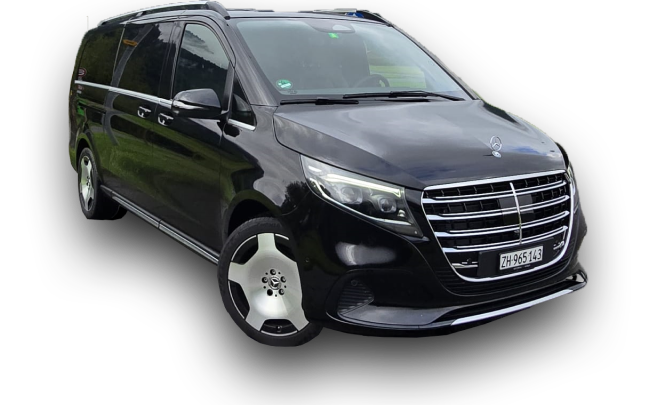
Epic Limousines offers Mercedes-Benz Sprinter Transfers for watch-tour itineraries where coordinated group travel between destinations is the priority. For a more individual transfer, the Mercedes-Benz S-Class Transfer is another option. Choose according to your itinerary, your party’s needs and the balance between direct road journeys and other transport connections.
A chauffeur-driven transfer can connect scheduled watchmaking visits with hotels, museums or an airport journey while keeping the day’s route organized. Share your destinations and planned stops to arrange transport around your journey through Switzerland. Ski Resort Transfers are also available for mountain destinations.
For a discreet discussion of your Swiss watch-tour itinerary, contact Epic Limousines.
Shape the Journey Around Your Priorities
Your next step is to turn your preferred pace, destinations and travel style into a coherent itinerary. Decide whether you value a private arrival, a dedicated vehicle between appointments or time for scenic stops. These choices help clarify which transfers to plan in advance and where other transport can fit naturally.
For a group itinerary, Epic Limousines offers Mercedes-Benz Sprinter Transfers. A Mercedes-Benz S-Class Transfer provides another chauffeur-driven option, while Ski Resort Transfers can suit routes that include alpine destinations. Choosing luxury transport for a Swiss watch tour is about matching the vehicle and service to your journey, not adding private travel to every leg.
Share your planned destinations and travel preferences to begin shaping a considered route. Contact Epic Limousines to plan your tour, and take the next step toward a refined Swiss journey.
Frequently Asked Questions
Does Luxury Travel in Switzerland Mean Travelling by Private Car?
No. Luxury travel in Switzerland can combine private transfers with public transport, depending on how you want each part of the journey to feel. A chauffeur-driven car suits a day when privacy, direct pickup and a coordinated schedule matter. For independent city exploration, other transport may be more convenient. Decide leg by leg, considering whether you value a tailored door-to-door experience or prefer to move at your own pace.
What are the road, parking, and winter-driving considerations for a luxury Swiss watch tour?
Allow roughly an hour’s drive from Geneva or Lausanne to the Vallée de Joux. Keep weather-sensitive mountain excursions flexible and have a nearby alternative activity in mind. Account for luggage and local transport in your itinerary.