What to Expect From a Luxury Car Service for Car Care
A luxury car’s care plan should protect its condition, not simply keep it looking polished. Understanding what to expect from a luxury car service means looking for maintenance guided by the manufacturer, suitable product recommendations, and clear advice on repairs or modifications. It should also address practical protection from sunlight and changing weather, which can affect both the exterior and cabin.
It’s reasonable to expect thoughtful recommendations rather than a one-size-fits-all checklist. The right choices depend on your vehicle’s materials, condition, use and exposure to the elements. This guide explains the routine checks and care services to look for, how product and modification suggestions should fit the car, and which everyday measures can help shield its finish and interior from sun, rain and seasonal conditions in Switzerland.
Key Takeaways
- Reduce sun and weather exposure by choosing shaded parking or a weather-resistant cover, and consider suitable protection for the paint and cabin.
- Expect service recommendations to reflect the vehicle’s condition and use, from fluid and tyre checks to cleaning and detailing.
- For repairs, software and modifications, prioritise expertise with luxury vehicles and recommendations suited to the manufacturer and the car’s specific needs.
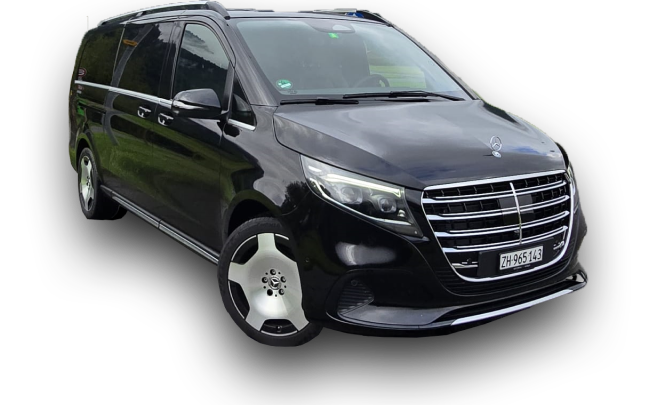
- When your plans call for chauffeur-driven travel in Switzerland, Epic Limousines offers options such as Mercedes-Benz Sprinter Transfers and Ski Resort Transfers.
2. Protection from direct sunlight and weather
Sunlight and changing weather affect a luxury car’s paint, cabin, and exposed components. A practical protection plan combines careful parking, suitable products, and regular maintenance. Start with the manufacturer’s guidance for paint, trim, and upholstery, since finishes differ between vehicles. Remove bird droppings and tree sap promptly, as residue left on the paint can make surface care more difficult. A mechanic or detailing professional can recommend products suited to the car’s materials.
For exterior protection, wax or sealant can help shield paint from UV rays, bird droppings, and tree sap. Ask what product is recommended and how the surface should be prepared, including whether existing coatings affect the choice. Use car shampoo formulated for the vehicle rather than assuming a household cleaner is suitable. Ceramic coating or paint protection film may also help guard paint against scratches and environmental damage. These options suit different needs, so discuss the protection they provide and their upkeep before choosing.
Parking is another straightforward way to protect the car. Choose a shaded area when possible, or use a weather-resistant car cover if it must remain outdoors. A high-security garage with weatherproof roofing offers more comprehensive shelter from sun and weather. Before covering the car, make sure the exterior is clean: grit trapped beneath a cover can rub against the finish. After a storm or time spent beneath trees, inspect the bodywork and clean away residue as part of routine maintenance.
The cabin needs its own protection plan. A sunshade can help shield interior surfaces from direct sunlight, while window tinting can provide additional protection. Follow the manufacturer’s care guidance for leather and upholstery, and use a gentle, pH-neutral leather product where appropriate. For example, clean a leather seat with a product made for leather, not an abrasive household wipe. Regular detailing can also remove seasonal residue, including spring pollen, summer dust, and autumn debris.
Weather protection is part of wider luxury car maintenance. Include fluid checks, such as coolant, in regular maintenance and follow the manufacturer’s recommended service intervals. In cold conditions, letting the engine warm up before driving can be a sensible precaution. A service professional can assess the paint, seals, cabin materials, and other components, then prioritise care according to exposure. This measured approach supports the car’s condition and smooth operation without treating every premium vehicle as though it needs identical products or protection.
When available, a high-security garage with weatherproof roofing is the recommended place to store a luxury car. Make sheltered parking the regular plan rather than relying on a cover as the primary protection. Use a weather-resistant cover when the car must remain outdoors, and minimise its exposure to direct sunlight and changing weather. This approach complements care for the paint, cabin, and exposed components, making protection part of routine ownership rather than an occasional response to poor conditions.

3. Luxury Car Service Inclusions in Switzerland
Knowing what to expect from a luxury car service starts with work tailored to the vehicle, its condition, and how it is used. An appointment may cover scheduled maintenance, repairs, tyre checks, or cleaning rather than a fixed package for every model. One visit, for example, may address a reported warning, while another follows the manufacturer’s maintenance schedule. The service record should identify completed work and recommended follow-up.
Mechanical checks can include an oil change at the manufacturer’s recommended interval and checks of engine oil, coolant, brake fluid, and transmission fluid. Preventative maintenance may also cover air filters, the battery and charging system, and wiper blades. Genuine or manufacturer-approved replacement parts keep repairs aligned with the vehicle’s requirements. A clear explanation of the inspection helps distinguish immediate repair needs from routine upkeep.
Tyres and brakes deserve focused attention. A technician may check pressure, tread depth, alignment, and wheel balance, then rotate tyres to promote even wear. Brake pads should be inspected and replaced when worn. Suspension and steering checks can reveal changes that affect handling. After a long journey, mention any new vibration, steering pull, or change in braking response. These details help focus the inspection.
Electronics are another part of modern luxury car care. A suitably equipped service centre can use diagnostic tools designed for onboard computers to investigate fault codes and check electronic systems. The inspection may also include manufacturer software updates. If a dashboard warning appears, note when it began and whether it changes while driving. This context gives the mechanic a more useful starting point than the warning alone.
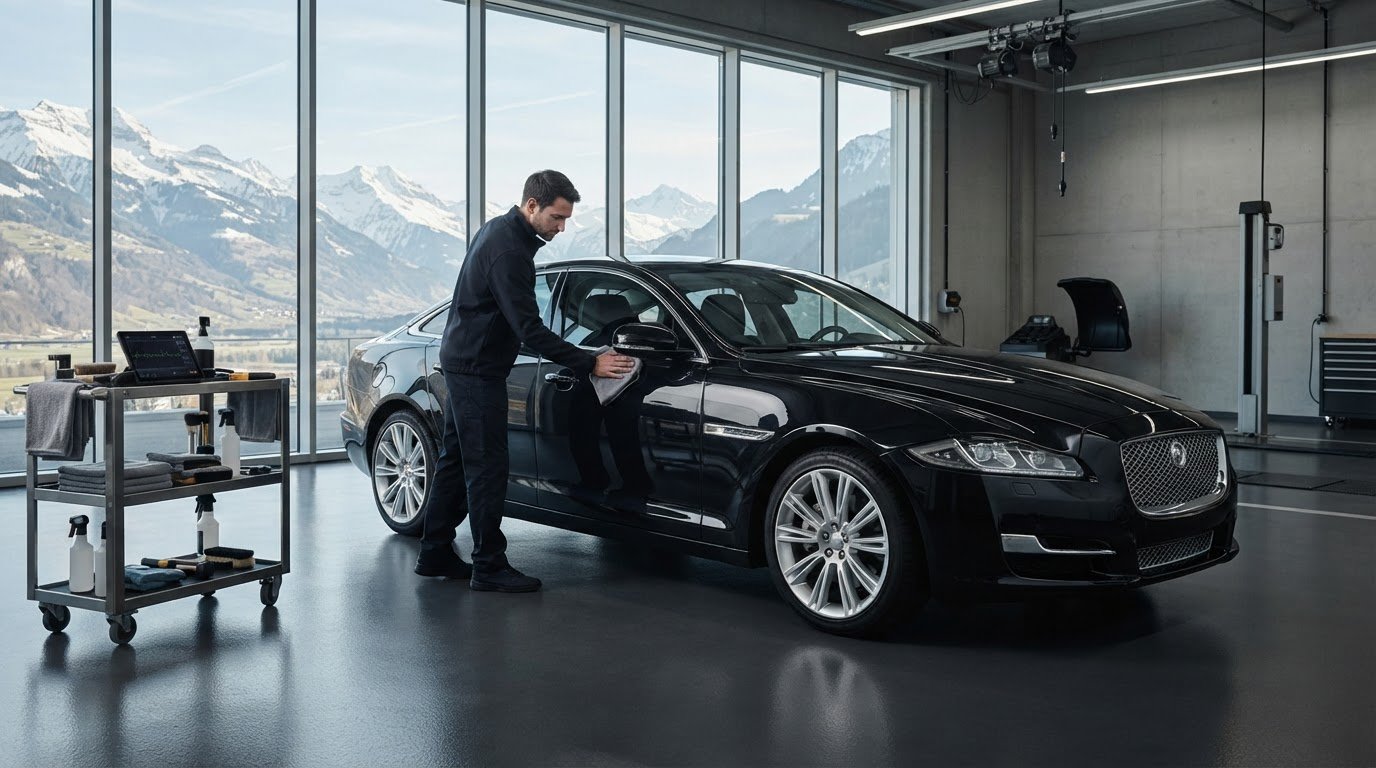
Cleaning can range from interior and exterior washing to professional detailing. Depending on the work, detailing may cover the cabin, bodywork, engine bay, and undercarriage. After heavy use or a long trip, it can remove dirt, bugs, tar, and pollutants that a regular wash may miss. Seasonal detailing can also address winter salt, spring pollen, summer dust, or autumn debris.
A useful part of knowing what to expect from a luxury car service is reviewing the findings before approving work. Ask for proposed repairs, maintenance priorities, and completed tasks to be recorded. A clear service history helps track recurring concerns and inform future decisions about the car’s care.
4. Luxury cars
A luxury car performs best when its maintenance suits its engineering. Choose a specialist workshop with technicians trained to work on high-performance vehicles. Its diagnostic equipment should communicate with the car’s onboard computers, helping identify faults beyond the dashboard symptoms. For example, an electronic warning may point to a system that needs testing before parts are replaced. A useful service discussion explains the finding, proposed work, and its priority.
Follow the manufacturer’s schedule for engine oil, filters, and other routine work. Luxury and sports cars should use manufacturer-recommended synthetic engine oil, with the correct specification determined by the vehicle. Use premium fuel when the manufacturer requires it. These are not interchangeable preferences: a product that does not match the car’s requirements can undermine careful maintenance. Keep service records with dates, completed work, and relevant observations.
Driving habits also affect wear. Frequent short trips can prevent the engine from reaching its optimal operating temperature, which may increase wear. In cold weather, allow the engine to warm before driving and avoid demanding immediate performance. Aggressive driving, extreme weather, and long road trips can accelerate component wear. Mention these conditions during a service visit, as they may help explain changes in handling, braking, or engine behaviour.
Ask for regular checks of tyre pressure, alignment, and tread depth, as well as wheel balancing. Brake pads need inspection and replacement when worn. Suspension and steering systems also merit attention, particularly if the car feels unsettled or responds differently on familiar roads.
Advanced electrical systems also need attention. Check the battery and charging system regularly, and replace the battery when its condition calls for it. Install manufacturer software updates when they become available, and have electronic systems checked for correct operation. Repairs and replacements should use genuine or manufacturer-approved parts. A high-quality aftermarket part can be a lower-cost alternative when the vehicle manufacturer does not require original equipment manufacturer parts.
Protect the cabin between appointments by avoiding eating, drinking, and smoking inside the car. These habits help preserve upholstery and reduce avoidable cleaning. A detailed service history can help track maintenance and support resale value. Ask for completed repairs, inspections, and updates to be recorded, so the next visit can build on a clear account of the car’s condition and service needs.
Where a model requires premium fuel, follow that requirement; the Mercedes-Benz S 580 is an example of a luxury car for which premium fuel is recommended. Treat fuel choice as specific to the vehicle rather than as a universal rule for every luxury car.
Plan for the demands of specialised engineering: Porsche and Ferrari vehicles can have high maintenance expenses because of their engines and specialised components. Owners of luxury and sports cars should also check electronic systems for updates and correct operation, alongside scheduled mechanical care.
Epic Limousines: Mercedes-Benz Sprinter Transfer
Epic Limousines provides chauffeur-driven Mercedes-Benz Sprinter transfers for travellers in Switzerland. After arranging maintenance for your own vehicle, a transfer can be a practical option for business journeys, group travel, or a ski resort trip, without adding driving to your plans. For travel in a luxury saloon, the Mercedes-Benz S-Class transfer is another option; ski resort and WEF transfers suit specific itineraries.
Choose the service that fits your journey, whether you need a transfer to a destination or transport arranged around your schedule. Share your travel requirements with Epic Limousines to discuss the right option.
Make your next journey feel considered
Knowing what to expect from a luxury car service can help you make considered decisions about care, comfort, and time on the road. The next step is to establish a routine that suits how you use your vehicle, from daily journeys to occasional longer trips. Note concerns as they arise so each service conversation can begin with clear priorities.
When you would rather leave the driving to a professional, choose a transfer that suits the journey ahead. Epic Limousines provides chauffeur-driven travel for occasions when arriving relaxed matters as much as the destination. Whether you are planning business travel or a mountain escape, a considered journey can bring ease to the day.
Contact Epic Limousines to discuss your travel plans. Take the next step with confidence and enjoy a more composed journey.